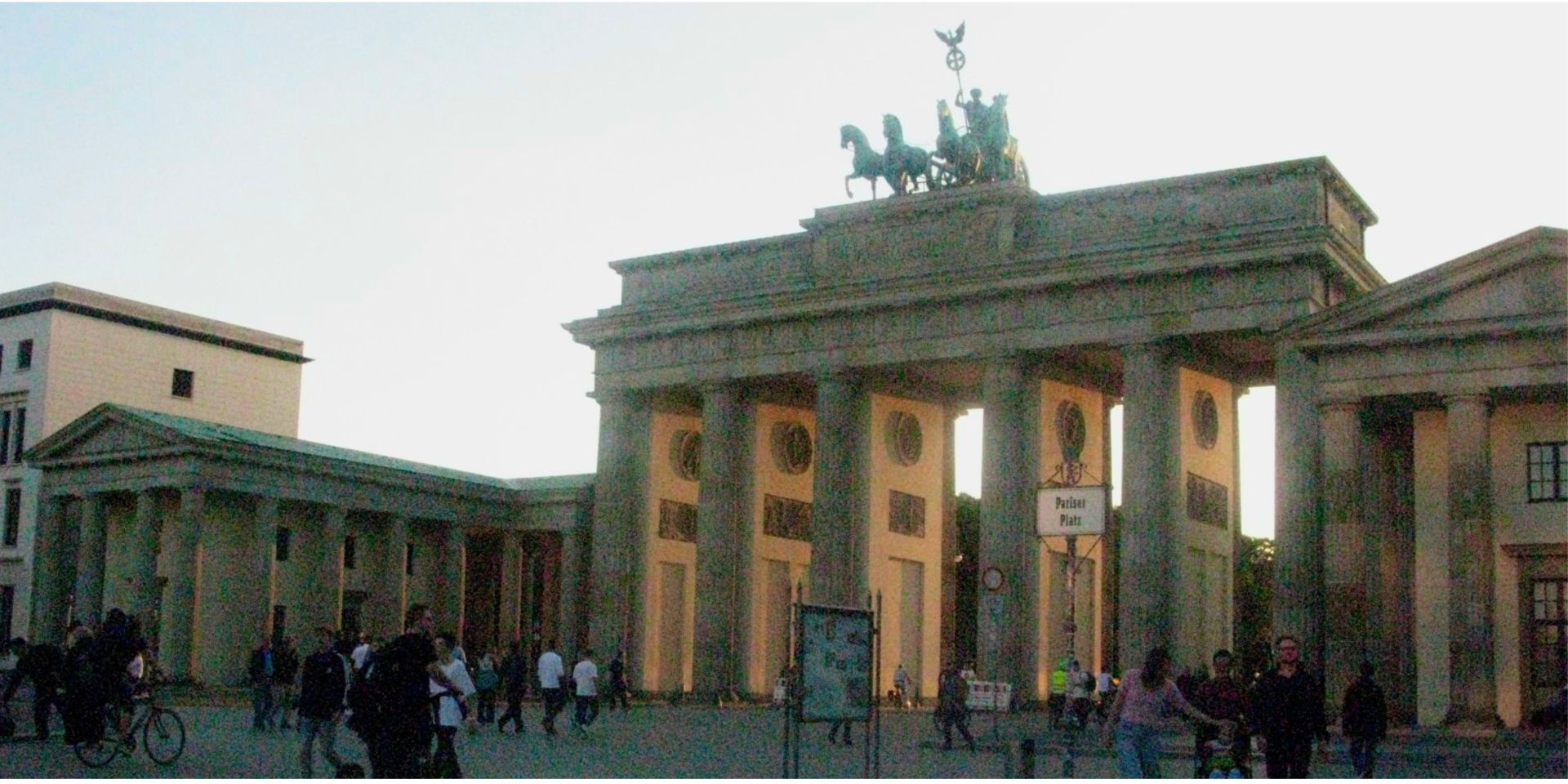
The Moving Europe project has entered an exciting new phase: the International Youth Visits! In September 2026, the first visit took place in Berlin, hosted in cooperation by the Migration Lab Germany of the University of Hildesheim, the Young Islam Conference, and teachers from the Wilhelmstadtgymnasium. During the four-day programme, students and educators from Bosnia and Herzegovina, Sweden, Denmark and Germany joined the programme to investigate histories of migration through interactive workshops and curating exhibitions together.
 In case you are not yet familiar with Moving Europe: in this EuroClio project, European migration museums and local secondary schools collaborate on learning activities on migration histories and raising public awareness of its legacies. The project aims to build sustainable and meaningful partnerships between school teachers and museum educators and extend learning beyond the classroom. Along the way, students investigate the complexities of migration and challenge stereotypes, prejudice, myth and misconception. The project was officially kicked-off in June 2025 at the Migration Museum in Gydina. Later, at the EuroClio Annual Conference in April 2026, museum educators, students and teachers gathered in Brussels to reflect the museum residencies, local workshops, and started preparation for the upcoming Youth Visits.
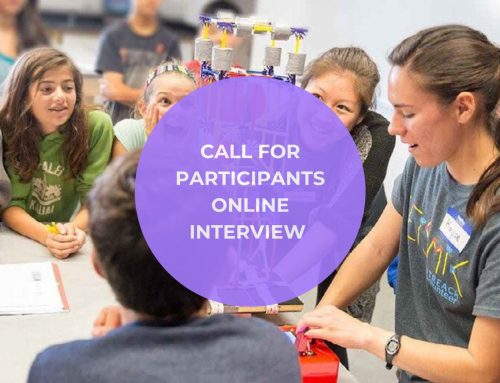
The programme of the first International Youth Visit in Berlin began at the Schwarzkopf Foundation for Young Europe, where the participants first got to know each other and delved into the topic with several group exercises. On the second day, the participants visited two exhibitions at the Berlin Museum: “Shared Life, Art and Migration in Berlin” and “Tapetenwechsel; Change of Scenery”. The students first explored the exhibition on their own, using the “thinking routines” method and later followed a guided tour and a discussion with one of the museum curators. On day three, at the Wilhelmstadtgymnasium, the students delved into the creation of the podcast series and transnational source collection. They independently interviewed their fellow classmates, school teachers and museum staff about their perspectives on migration, and collected migration-related objects on the virtual source-collection map. To see what this experience looked like from the students’ perspective, we spoke to Nejra and Danin, two students from Sarajevo who shared their reflections on Moving Europe’s first International Youth Visit.
 As Nejra and Danin shared their experience at the International Youth Visit, they spoke about new perspectives, personal interviews, and the people that they met during the programme. To them, migration was an already familiar topic. In school, they had learned about the recent history of conflict in Bosnia and Herzegovina, and took a close look at how it impacted migration. In their drama class, they even had an exercise in which they interviewed people about their migration experience during the war and asked them to show an object: a radio and a postcard. With these stories and objects, the class transformed the migration experience into a play. Nejra and Danin chose to take these two objects from the play with them to Berlin. When asked how their perceptions about migration changed before and after the Youth Visit, they shared that, while their knowledge on migration was already extensive, it deepened and widened. Particularly, exchanging perspectives and sharing experiences with fellow students in the programme added new angles on why people migrate. What stood out to them was that migration does not always come from conflict, but that people also move for work and better opportunities.
 The radio and postcard that Nejra and Danin had brought from their drama project was added to the transnational source collection that the students put together in Berlin. In the process of creating the digital source collection map, students curated their own histories, wrote short description texts and chose and connected the objects under one, overarching theme. Nejra shared that many of the students’ objects held sentimental value, as they represented personal experiences, family origins and feelings of belonging. The radio and postcard that the students brought from their drama class carried stories that were not directly linked to their personal histories but connected to Bosnia’s wider national history. In the end, the group found common ground in the theme “family”. The second format was the podcast. Here, the students conducted interviews with each other about their personal perspectives and experiences of migration. They asked, for example, whether the person felt more at home in one of the countries, and whether they would want to return to the country their family came from. Some of the answers came as a surprise. Nejra and Danin had expected that students from Germany would not want to leave. One of them, however, said she would rather live in her family’s country of origin, closer to her relatives. For the students this highlighted that feelings of belonging do not follow fixed patterns. Danin went on to emphasize that, while the perspectives they collected during these interviews varied a lot, they were all true and valid in themselves.
Finally, we asked the students to share their most memorable moments. Danin chose the dinner on the first evening, when the students sat down together, got to know each other and shared stories about their backgrounds. Nejra said that she enjoyed the entire programme, as she made new friends and got to know people from different countries, while learning more about migration and the topics around it. They both hope to stay in touch with the friends that they made during the Youth Visit.