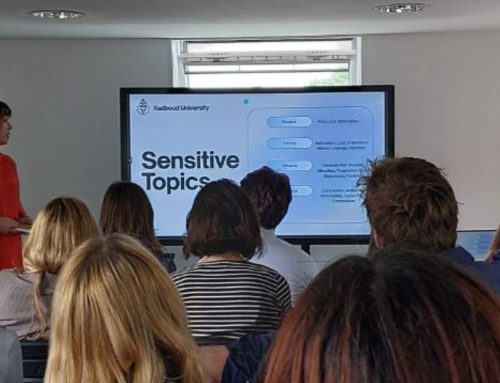
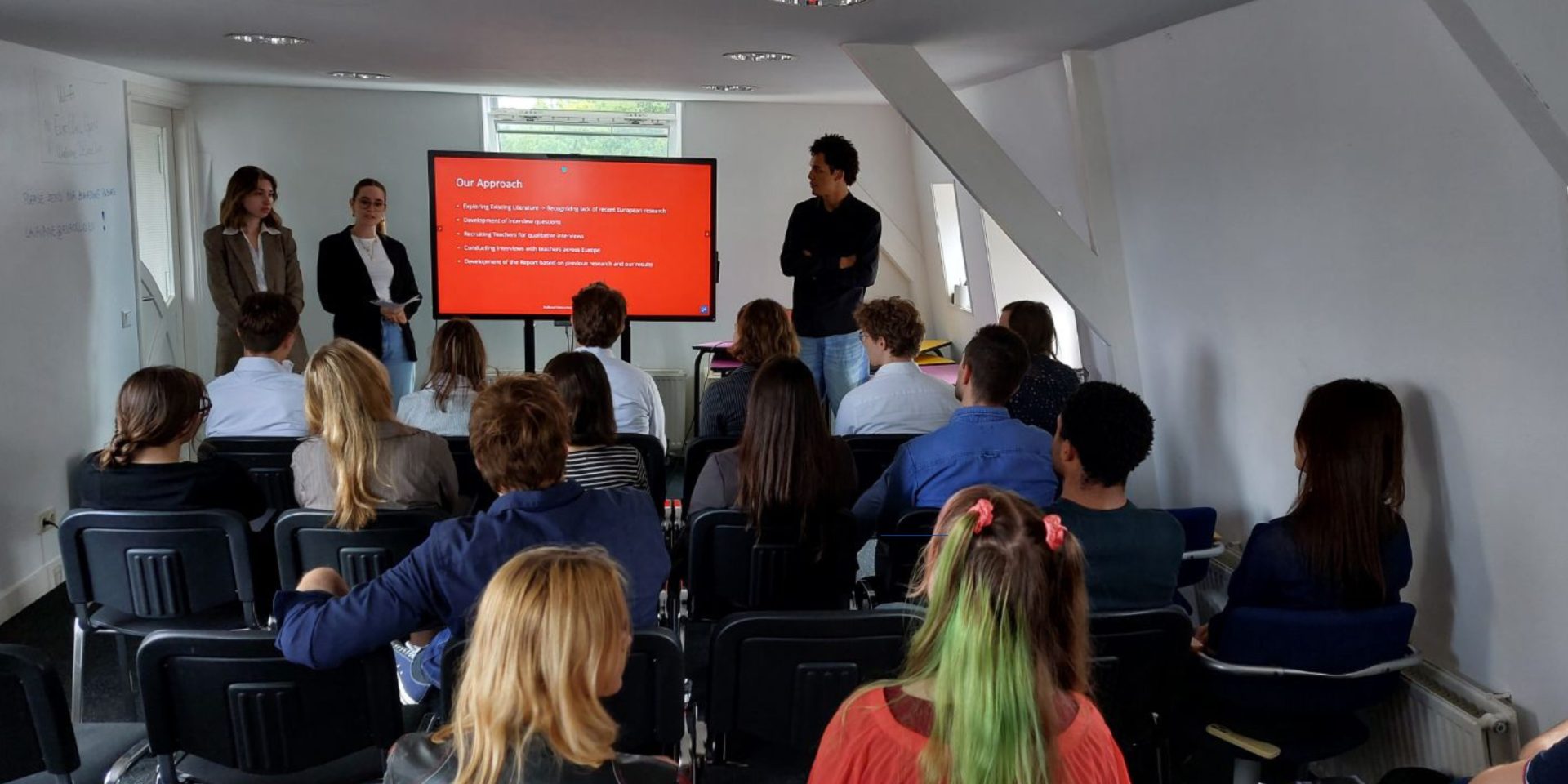
Students from the University of Radboud carried out research on Teaching Controversial Histories around Europe and developed a report on the various classroom challenges and teaching strategies currently in place. Below is an introduction to the report.
History has always been a subject with a heavier emotional charge compared to other school subjects, and teachers are aware of this. Nowadays, in light of its increasingly divisive effects on society, history has become even more challenging to teach. Polarisation, debates over conflicting historical narratives, and the accelerated spread of misinformation in public discussions have come to shape modern life. Discussions about migration, colonialism, wars, religion, identities, or current conflicts may instantly provoke a strong emotional response from those taking part. Such debates take place all the time amongst young people in everyday life, on social media, within their communities and even at home, and this is how they end up in the classroom too. For teachers of history, this is both an opportunity and a burden. History classes are no longer only about learning about the past but also about coping with contemporary life. Engaging in controversial debates helps develop skills such as critical thought, empathy, and democratic discussion. However, this approach is not easy, requiring navigation of tensions among the pupils’ different views, emotions, politics, and personal experiences. There is one major disadvantage to avoiding controversial subjects at all costs. Students will not be able to
learn how to criticise sources, discuss matters rationally, or question stereotypes or misinformation, in an age when the very concept of “truth” is being challenged by many.
This topic deserves thorough examination, which is why we, a group of third-year bachelor students from Radboud University, conducted a research project in cooperation with EuroClio European Association of History Educators. For years now, EuroClio has been a pioneering organisation in its field, working for innovative, responsible history and citizenship education across Europe through research, capacity building and educational materials. We wanted to find out how history teachers teach controversial topics in various European settings. Through qualitative interviews with history teachers from several nationalities, we examined two questions: which topics are considered controversial nowadays and what challenges do teachers face when teaching these. The interviews revealed a wide range of experiences. Teachers had engaged in sensitive conversations about national identity, religion, war, politics, extremist politics, the colonisers’ past, and contemporary international issues. Social media pressures, public opinion, and the emotions associated with such conversations also emerged during the
interviews. On the other hand, many teachers offered creative approaches that promote dialogue in class and encourage critical thinking among students.
Educators are crucial to developing students’ critical-thinking skills in the modern age. Therefore, the following paper maps out the challenges history educators face and the strategies they opt for when working with sensitive topics in the classroom.
To read the full report click below!
Authors: