While many history teachers feel they are walking through the unsteady grounds of institutional pressure and parental objections, students themselves struggle to ascertain historical truths regarding sensitive and controversial issues due to media algorithms and “fake” news, despite being open to discussions and understanding historical phenomena. It is with this in mind that EuroClio has begun formulating new strategies that aid European history teachers in turning controversial topics into opportunities for dialogue. This particular project aims to support history educators in Europe by providing tools directed at navigating sensitive and controversial issues in the classroom.
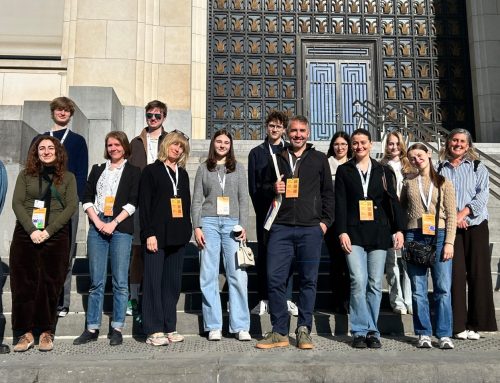
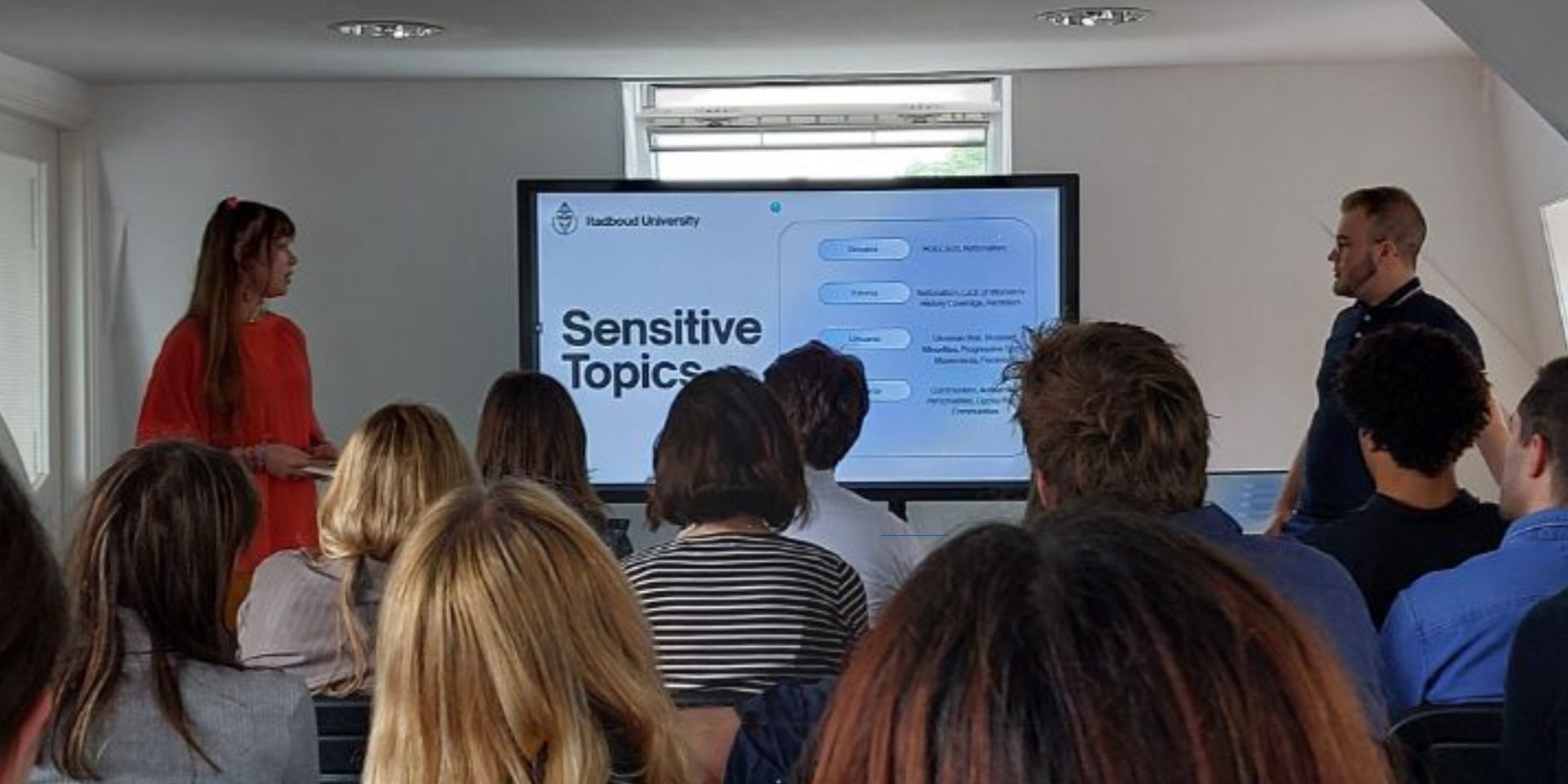
Led by a group of ten student researchers at Radboud University and supported by EuroClio, an interview-based approach and thematic analysis were performed to discern the experiences of history educators in Central and Eastern Europe, which yielded realistic findings to accommodate these aims. The analysis explored themes such as democratic values, polarisation, and potential classroom solutions. Along with the overall aims to identify the specific challenges teachers have faced, helping students develop empathy, a nuanced perspective, and the ability to engage in respectful, open discussions. In this sense, the project contributes towards acting as a bridge between educators and organisations that may help implement pedagogical changes, providing data-driven solutions and strategies for educators, such as methodological guidelines and frameworks for facilitating dialogue.
To access the report, use the link below.
Authors:
Linus Thermann
Solomiia Yaroshevich