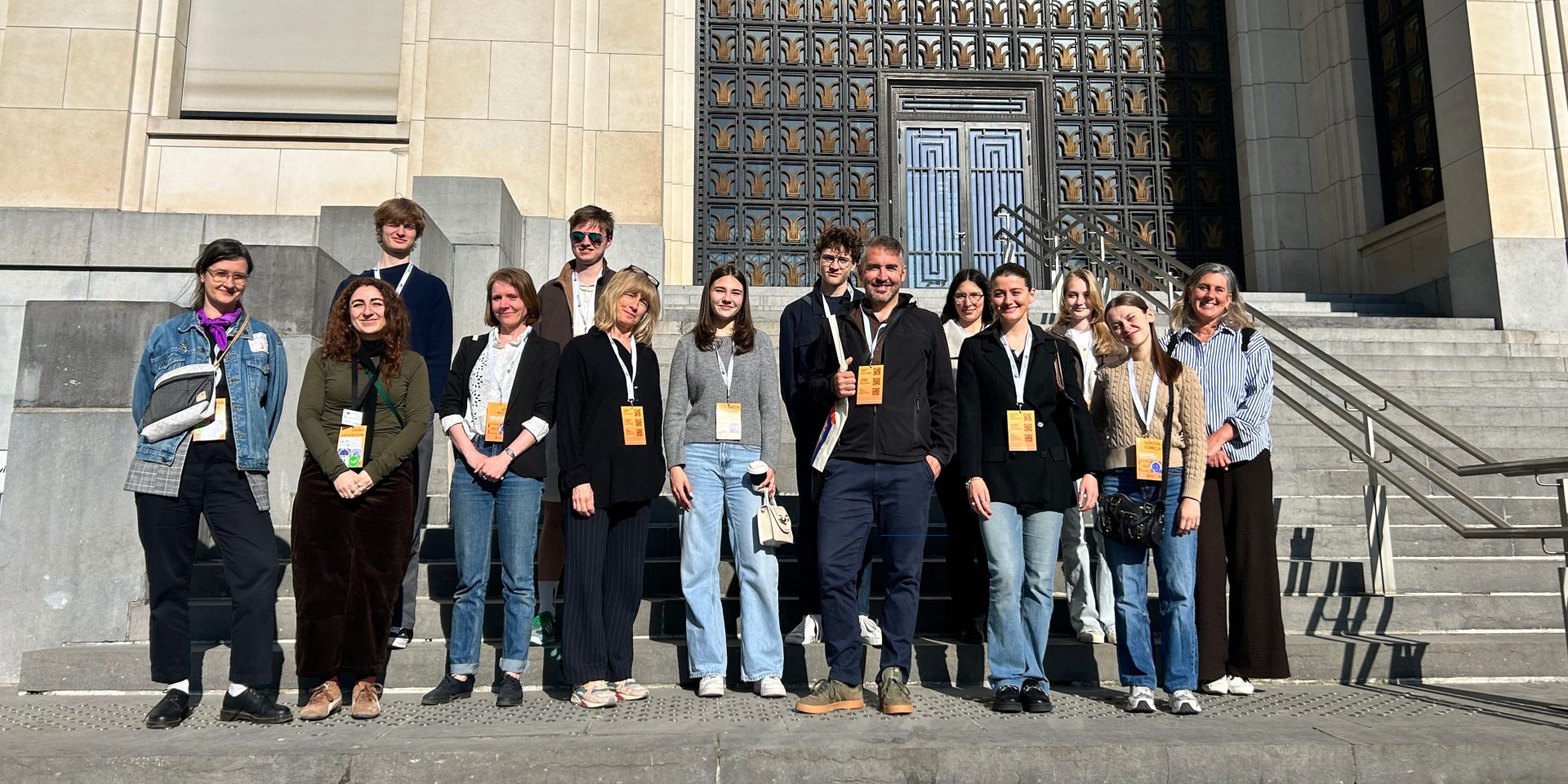
As part of the Moving Europe project, a Youth Workshop to Prepare International Youth Visits was organised in Brussels between 27 and 29 April 2026. The workshop brought together four project teams from Bosnia and Herzegovina, Denmark, Italy and Sweden. Each delegation consisted of two students accompanied by a teacher or museum educator. The programme was facilitated by Eugenie Khatschatrian and Magdalena Chmiel from EuroClio together with Joanna Gojzewska from the Emigration Museum in Gdynia.
The core objective of the Moving Europe project is to explore how teachers and museum educators can build sustainable and meaningful partnerships to implement local research projects on the history of migration.
The workshop was hosted at the House of European History and was designed as both a learning opportunity and preparation for the next stages of the project. At the same time, it provided space to reflect on the work that students had already carried out locally, including youth workshops at partner museums and the development of local exhibitions. The workshop programme was developed to strengthen competencies needed for the upcoming youth visits, where students will work in international groups, interview museum professionals, and engage with historical sources and museum collections. During these visits, they will visit partner museums and collaborate on project activities. The workshop also created opportunities for participants to learn more about each other’s projects, exchange experiences and gain insight into how migration histories are explored in different local contexts.
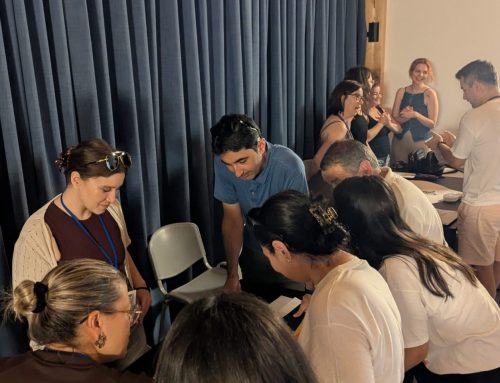
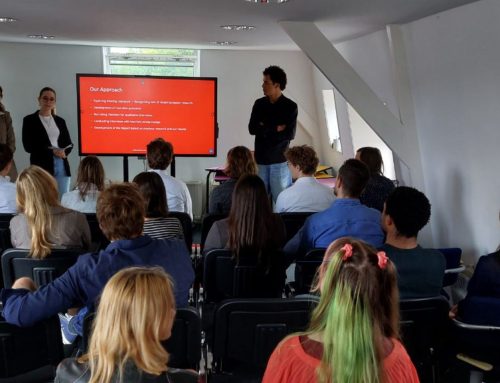
The first day focused on introducing participants to one another and creating opportunities for exchange between the project teams. Following an introduction to the Moving Europe project and the objectives of the workshop, participants took part in a series of icebreaking activities designed to encourage collaboration and build connections within the group. Students then presented the projects they had been working on throughout the previous year and prepared posters showcasing their local activities. For many participants, this was the first opportunity to learn in detail about the work carried out by partner groups in other countries. These discussions highlighted both common themes and different local perspectives on migration history, creating a foundation for the collaborative activities that followed during the workshop.
The second day focused on developing practical skills connected to the project theme. Participants took part in a workshop on interviewing techniques, during which they explored oral history methods, worked on formulating interview questions and reflected on the opportunities and challenges of working with personal narratives. Particular attention was given to the role of interviews in documenting migration experiences and to the ethical considerations involved in working with personal stories.
This was followed by a workshop on curating source collections, which encouraged participants to work with different types of historical sources and consider how objects, photographs and archival materials can be used to tell migration stories. Throughout both workshops, participants worked collaboratively, exchanged ideas and reflected on how these methods could be applied within their own local contexts and future project activities.
In the afternoon, participants were introduced to educational initiatives developed by the House of European History. The Echoes Project and HistoriCall: What is Racism? were presented, providing additional perspectives on how museums can address complex social and historical topics.
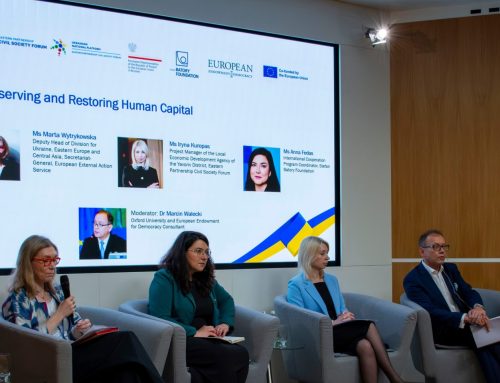
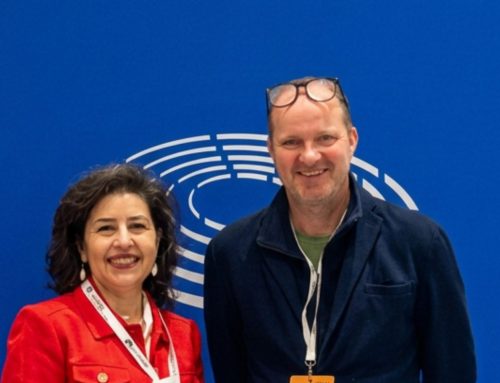
On the third day, the students had the opportunity to share the outcomes of the Workshop during an interactive panel discussion at the European Parliament. Throughout the workshop, and particularly during the Panel Preparation session on the final day, participants worked together to identify the most important messages emerging from their local projects and discussed how these could be communicated to a wider audience. Particular attention was given to ensuring that the final event reflected the perspectives of the entire group. Although not all students chose to speak during the panel discussion itself, all participants contributed to the preparation process and the development of the themes, questions and key messages presented during the event.
Rather than a series of formal presentations, the session was designed as a moderated discussion, creating a more accessible setting for young participants. Students reflected on their local projects, shared what they had learned through their work and discussed why learning about migration history remains relevant today. The discussion addressed the use of historical sources and museum collections, the role of migration in shaping European societies and the importance of understanding migration from both historical and contemporary perspectives. The panel concluded with a question-and-answer session, allowing members of the audience to engage directly with the students and continue the discussion.
The workshop strengthened cooperation between project partners, provided participants with practical research and communication skills, and created opportunities for intercultural exchange. It also contributed to the preparation of participants for future project activities and supported active youth participation within the broader framework of the Moving Europe project. By combining skills development, peer learning, museum-based education and public engagement, the workshop connected local project experiences with broader European discussions on migration, history and citizenship.