Reflections from the LRE Youth Forum and Conference 2026
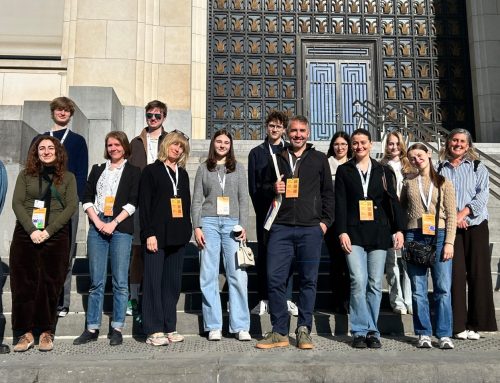
Earlier this month, Magdalena Chmiel, a trainee at EuroClio, took part in two connected events organised by the Liberation Route Europe Foundation: the LRE Youth Forum (2–3 March 2026 in Nijmegen) and the LRE Conference (10 March 2026 in Arnhem).
The Youth Forum, titled “The Future of Remembrance,” brought together young people from across Europe to reflect on WWII history and its relevance today, 80 years after the end of the war, but also in the context of ongoing conflicts.
When history stops being abstract
The Forum opened with a simple but fundamental question: what does remembrance actually mean today?
The discussion moved quickly beyond theory.
Participants were joined by Katherine Younger from the Documenting Ukraine project, who demonstrated how war is being documented in real time. A youth delegation from the War Museum in Kyiv shared their experiences of guiding visitors through history while simultaneously living through war.
These perspectives made it difficult to continue thinking about WWII as something distant.
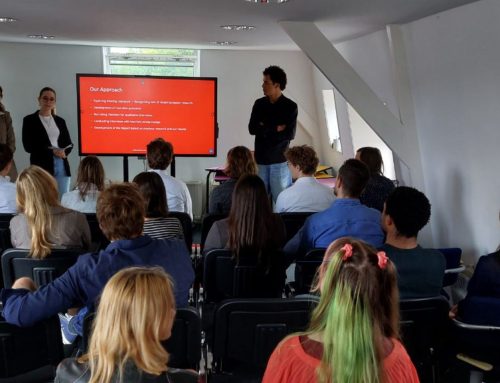
The programme also included site visits in Nijmegen: the WO2 Information Centre, the Valkhof bunker, and walks through spaces shaped by wartime history. Being physically present in these places grounded the discussions in lived reality.
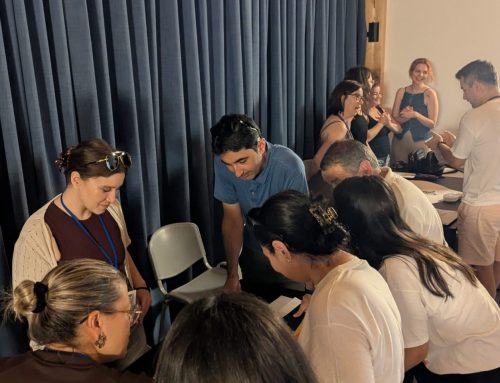
One of the most impactful moments came during a workshop with the Monte Sole Peace School, where participants engaged with statements on memory and responsibility. Each person was asked to choose one statement they agreed with and one they rejected.
This led to a deeper discussion around the phrase “Never Again.”
For many participants, including those from Central and Eastern Europe, this phrase has long been part of education, commemorative practices, and public discourse. However, this assumption was challenged directly by one of the Ukrainian participants, who questioned whether the phrase still holds meaning in the context of the ongoing war.
The discussion that followed did not produce easy answers.
Bringing these questions into the conference
At the end of the Youth Forum, Magdalena Chmiel was invited, as one of six participants, to join the LRE Conference as a Youth Representative, bringing these questions into the wider public discussion.
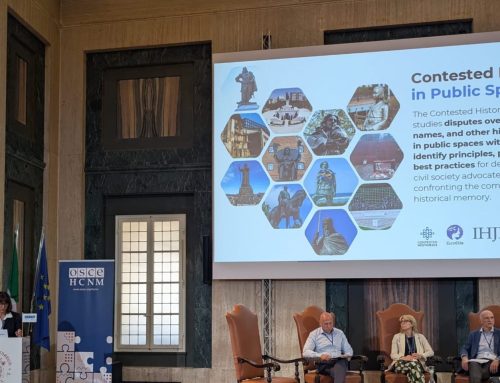
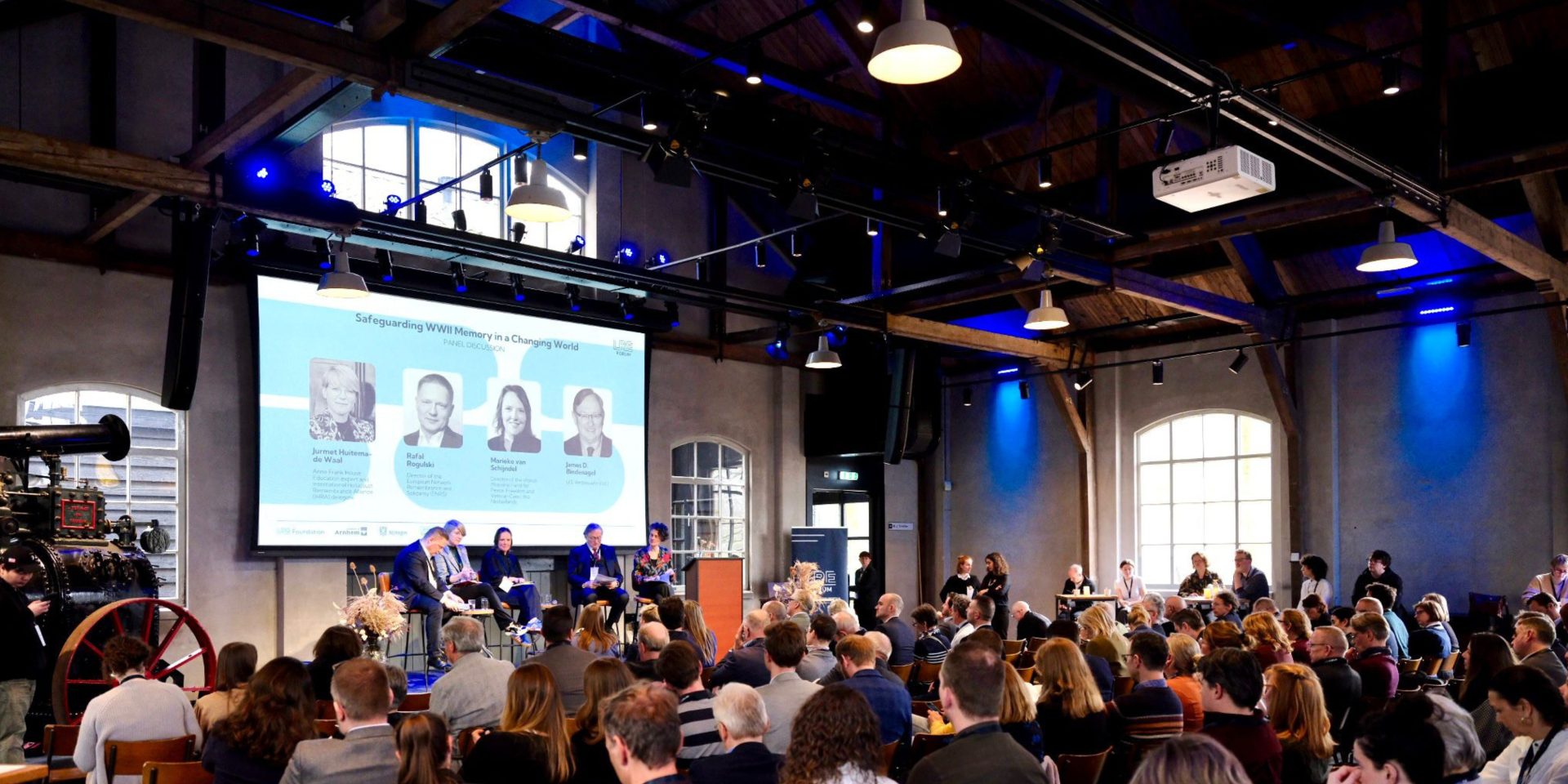
The conference in Arnhem focused on the future of WWII remembrance, particularly in a context shaped by the loss of eyewitnesses, political tensions, and ongoing conflicts.
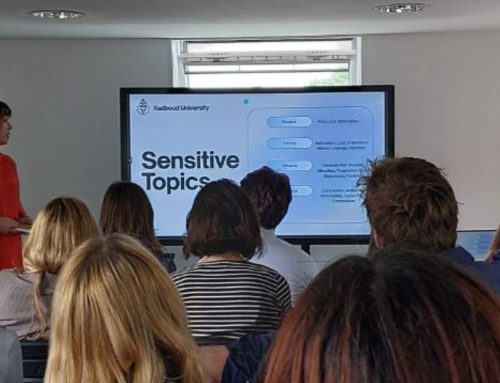
Youth perspectives were integrated into the programme through dedicated discussion spaces following each panel. Magdalena contributed to the plenary session on safeguarding WWII memory, as well as to two roundtables on education, digital memory, and multi-perspective narratives.
During the plenary session, participants were reminded that the phrase “Never Again” first appeared in April 1945, written on handmade signs by survivors of the liberated Buchenwald concentration camp.
Placed in the context of the earlier discussions in Nijmegen, this historical reference highlighted an important tension:
The phrase emerged from a specific historical moment, yet it continues to be used today in a vastly different context, often without critical re-examination.