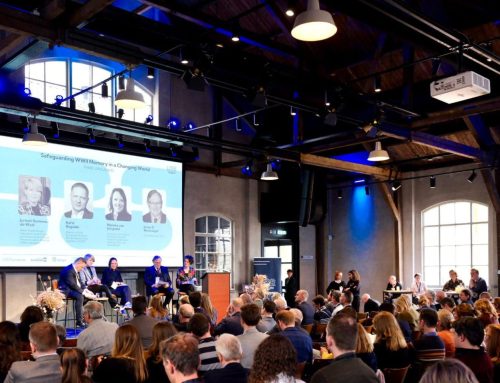
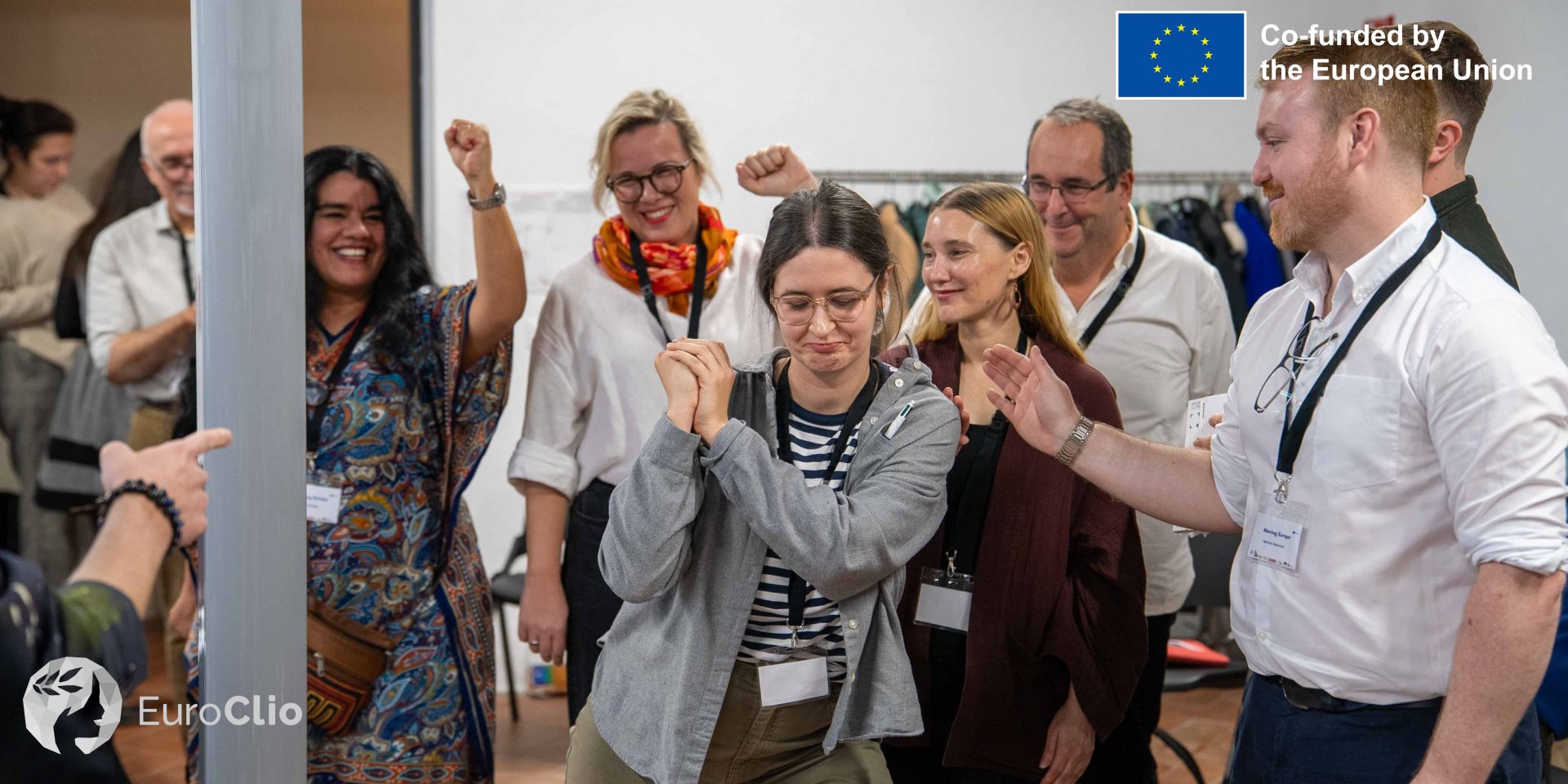
On 18–20 November, the partners of the Moving Europe project met in Genoa for the International Peer Learning Event hosted at the Museum of Italian Emigration (MEI). In addition to the project partners, the event welcomed invited institutions—museums and organisations, teachers and individual experts working on migration education.
The core objective of the Moving Europe project is to explore how school teachers and museum educators can build sustainable and impactful partnerships for implementing local research projects on the history of migration. The International Peer Learning Event in Genoa played an essential role in advancing this objective by enabling partners and invited institutions to exchange pedagogical methods, explore collaborative models, and contribute substantive feedback to the development of the Guide.
Participants already met on the evening of 18 November for a welcome dinner aimed at team-building and introducing new teachers and educators to the group. A voluntary visit to MEI that same evening offered participants an initial insight into the museum’s content and narrative approach ahead of the workshop sessions.
Day 2 – 19 November 2025
The programme opened with a short recap of the project’s goals, timeline, and expected deliverables, ensuring all participants shared a common understanding of the project’s structure and aims of the gathering.
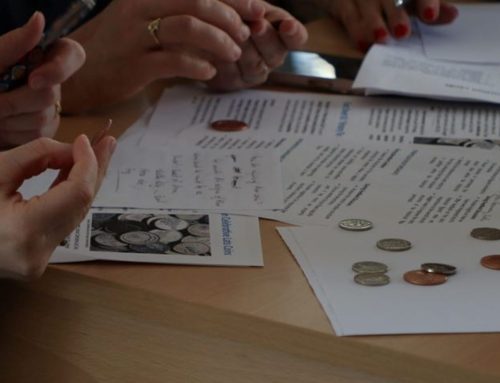
The first main session was a workshop led by Clio ’92, based on Project Zero’s Thinking Routines. Using the museum’s permanent exhibition, the workshop engaged participants in working with authentic stories of Genoese migrants. Divided into small groups, participants analysed different types of primary sources—photographs, diary fragments, and video testimonies—using Thinking Routines to practise observation, questioning, and reflective interpretation. The session provided teachers with practical tools they can apply directly in their local projects and contributed directly to shaping the methodological recommendations for the Guide.
In the afternoon, Maria Vlachaki presented the draft Guide for Educators, one of the project’s key outputs designed to support teachers and museum educators in addressing migration histories and fostering partnerships with external cultural institutions. Feedback collected from partners, teachers and invited institutions will guide the next phase of development.
This was followed by a session titled Exploring Youth Programmes at the Museum, during which invited museum professionals presented educational initiatives implemented in their institutions. We were delighted to welcome colleagues from EPIC The Irish Emigration Museum (Dublin), the Museu da Emigração e das Comunidades (Fafe), the Musée National de l’Histoire de l’Immigration (Paris), and the Bois du Cazier Museum (Belgium), whose teams contributed fresh perspectives and valuable insights to our discussions.
The day concluded with the lecture “Anthropologies of Relation” by Elias Braun, who shared insights from his research on tacit knowledge and relational dynamics in educational settings. His perspective offered participants a useful lens for reflecting on how implicit assumptions shape the teaching and representation of migration narratives.
Day 3 – 20 November 2025
The final day began with a joint meeting of project partners and participating teachers to review the progress of local school projects, align upcoming activities, and make decisions regarding the next implementation steps. This session ensured coherence between the project’s transnational objectives and the evolving needs of local educational contexts.
Participants then attended a screening of Non far rumore, a documentary portraying the experiences of hidden children of Italian migrant workers in post-war Switzerland. The presence of one of the individuals featured in the film added a powerful dimension to the discussion, offering educators valuable insight into the human impact of migration and the importance of working with personal narratives in educational settings.