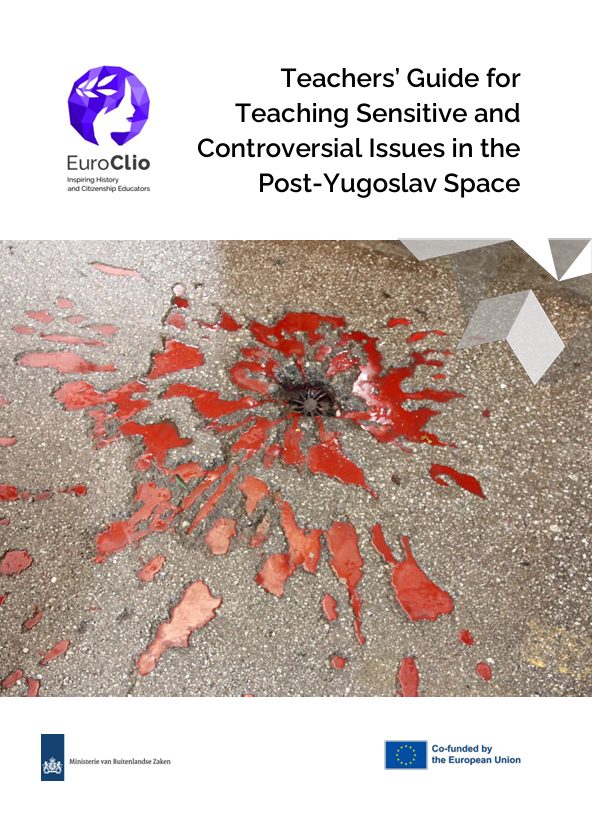
These Recommendations aim to provide insight and advice to the participating States of the OSCE on the issue of contested histories. Contestations over history have the potential to cause considerable tensions within and between States. National minority issues are often part of these dynamics, making this an issue of direct concern for the HCNM’s mandate of conflict prevention.
While historical narratives are based on facts, the way these facts are interpreted may differ from group to group, within groups and over time. Disputes over how to interpret the past often overlap with or reflect ethnic, linguistic, cultural and religious lines within a society.
In the experience of the HCNM, these dynamics often play out in the legal and policy sphere, in public spaces and in education, and the Siena Recommendations are structured into three sections accordingly. The Recommendations provide a range of options on how to manage contestations in a manner that eases tensions in society and prevents them from escalating into conflict, both within and between States. They offer practical advice to governments and policymakers, and propose mechanisms for dialogues, on the issue of contested histories, especially when these intersect with national minority issues.