The research conducted within the Facts not Fiction project examines the impact of introducing the educational approaches of place-based learning and peer-based learning to Holocaust education, thereby aiming to tackle rising antisemitism across Europe. Given the novelty of these approaches, the research conducted during the project aims to bridge a gap between the bodies of literature on Holocaust education, place-based learning, and peer learning. In this review, we will establish the state of Holocaust education and place-based learning in Europe, before considering how the two can be combined in place-based Holocaust learning.


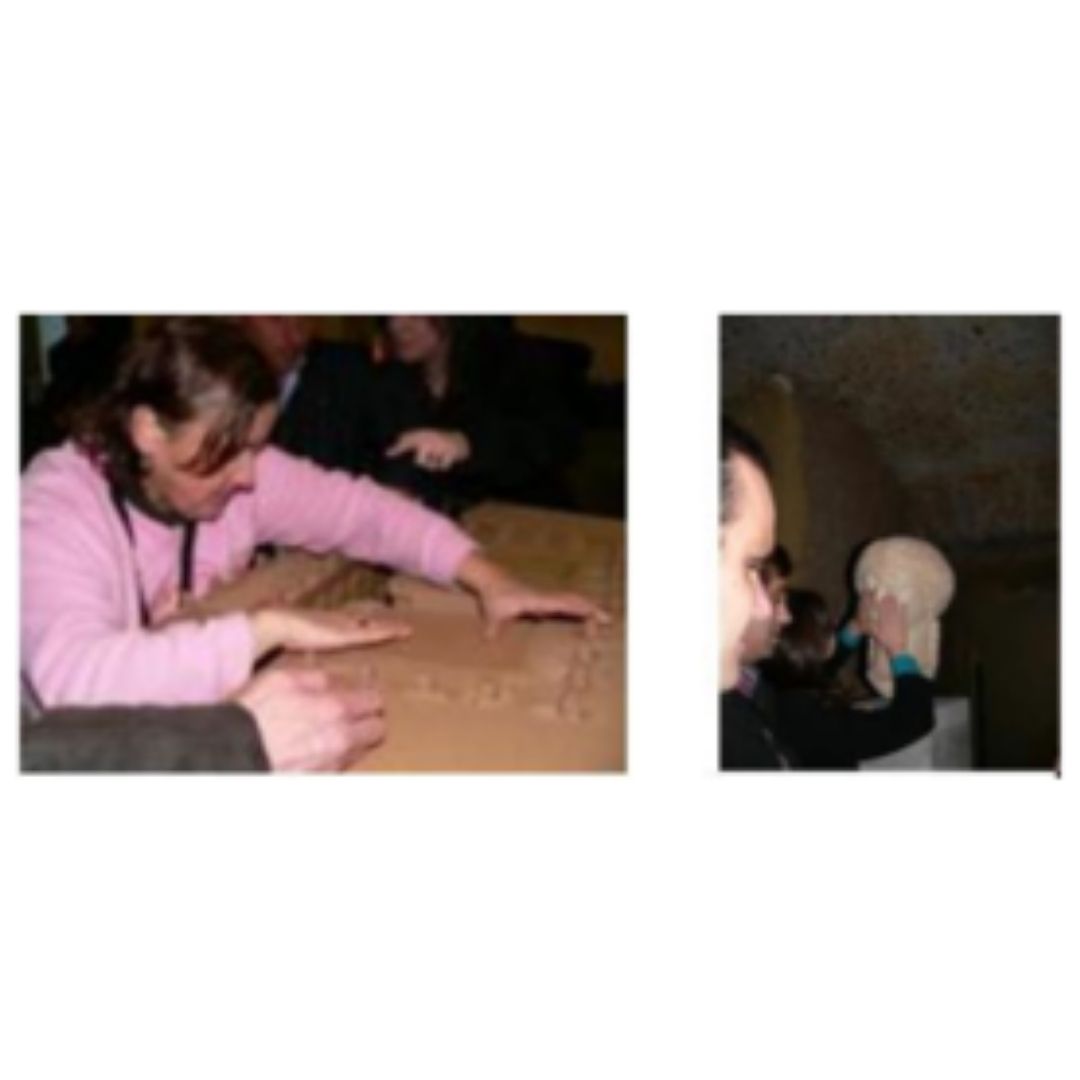
  • Feeling the Museum: putting oneself in the shoes of students with special needs to understand how to provide the best didactic experience possible
  • Students as Mediators of Conflicts
  • Find out what New Students Bring to the Classroom

    As a response to an increase in new students in the Swedish educational system, the Swedish Board of Education tasked a group of schools and universities to find a way to assess what newly arrived students know in order to provide the best possible education for each student, as well as focusing on their strengths rather than their weaknesses. This resulted in the formation of materials for conducting discourse around history for the purpose of assessing the historical competencies of newly arrived students. This is done in the form of a 70-minute conversation between a teacher and a student. The assessment is meant to provide valuable insight into what the students are already familiar with, so that teachers can take this into account when creating lesson plans.